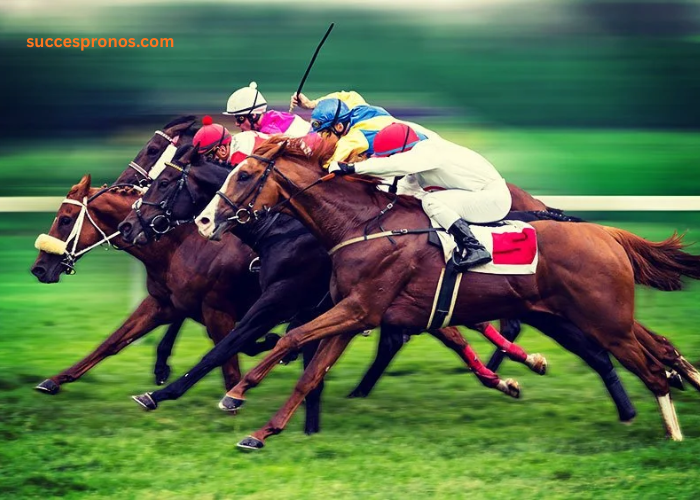
Horse racing betting feels different from most sports because the whole event can turn in less than three minutes. There is no long first half, no second-leg comeback, no slow tactical build. The gates open, the field settles, one horse gets boxed in, another finds space, and suddenly the race everyone studied for days is being decided in a few seconds. That is why the biggest horse racing events still pull in casual and serious bettors alike. The Kentucky Derby, Belmont Stakes, Royal Ascot, the Grand National, the Melbourne Cup, the Prix de l’Arc de Triomphe and the Breeders’ Cup all have their own character. Some are about speed. Some are about stamina. Some are about chaos. Some are about class.
Belmont Is About More Than the Name
The Belmont Stakes is the next major event to watch, with the 2026 festival taking place from June 3 to June 7 and the main race on June 6 at Saratoga. For bettors on Betway, Belmont can be tricky because reputation often gets too much attention. Horses coming out of the Kentucky Derby or Preakness will naturally attract money, but the question is whether the race setup suits them. Distance, pace, surface, post position and how much racing a horse has already done all matter. A horse that finished strongly in one race may not get the same trip here. Another may look less glamorous but have the running style to stay close and finish well. Belmont betting is often about stamina and race shape, not just the most famous horse in the field.
The Epsom Derby Has Its Own Kind of Test
The Epsom Derby is one of the great flat races, and it comes just before Royal Ascot, with 2026’s Derby meeting listed for June 5–6. Epsom is not a straightforward track. The turns, camber and pressure of the occasion can expose horses that looked smooth elsewhere. That makes betting on the Derby more than picking the most hyped three-year-old. A horse needs class, of course, but also balance and temperament. Some handle the track. Some do not. That is where pre-race watching matters: how the horse moves, how it settles, and whether the betting market is reacting to real confidence or just stable reputation.
Royal Ascot Is a Whole Betting Week
Royal Ascot is not one race. It is five days of racing, fashion, form study and sharp markets, scheduled for June 16–20 in 2026. That makes it a different betting challenge. There are sprints, mile races, staying races, two-year-old races, handicaps and Group 1 events. A bettor cannot use one method for everything. In sprints, draw and early speed can matter a lot. In longer races, patience and staying power become more important. In handicaps, the puzzle is often whether a horse has been priced fairly for its weight and recent form. Royal Ascot rewards people who slow down and look at the type of race first.
The Global Races Have Different Personalities
Later in the year, the major international calendar gets even bigger. The Prix de l’Arc de Triomphe is set for early October in Paris, the Breeders’ Cup is scheduled for October 30–31 at Keeneland, and the Melbourne Cup follows on November 3. These events are not just famous names. They ask different questions. The Arc is usually about elite middle-distance class and soft-ground possibilities. The Breeders’ Cup brings together international fields and different surfaces, which can make form comparison difficult. The Melbourne Cup is a staying race with a huge field, where luck in running can matter almost as much as talent. That is the appeal. Each race has its own betting language.
The Best Bets Start With the Race Shape
Good horse racing betting is not only about picking the best horse. It is about asking what kind of race is likely to happen. The biggest horse racing events are fun because they bring together quality, pressure and uncertainty. The markets are busy, the stories are loud, and the obvious horse is not always the right bet. So betting on horse racing fans have a treat coming up in June. Belmont, Epsom and Royal Ascot all arrive close together, but each one asks bettors to read the race in a different way.
